That’s where digital marketing automation comes in. It helps you simplify repetitive tasks, stay consistent, and focus on strategy instead of manual work.
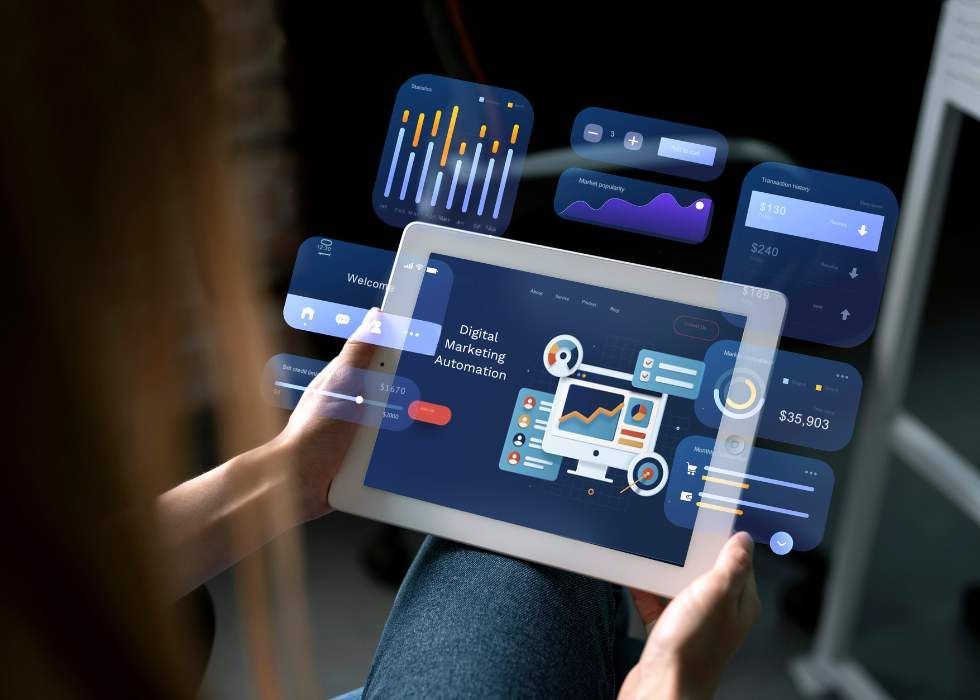
In this guide, you’ll learn what marketing automation is, how it works, and how to use it effectively. We’ll also explore tools, tips, and practical examples to help you get started with confidence.
What Is Digital Marketing Automation?
Digital marketing automation is the use of technology to manage and automate marketing tasks across different channels. Instead of sending emails one by one or manually tracking user behavior, automation handles these actions based on predefined rules.
It connects different parts of your marketing system, like email campaigns, customer data, and website interactions. This creates a smoother and more personalized experience for users.
For example, when someone signs up on your website, automation can instantly send a welcome email, add them to a contact list, and track their activity.
Why Marketing Automation Matters
Modern customers expect quick responses and personalized communication. Automation helps you meet these expectations without increasing workload.
Here’s why it matters:
- Saves time by automating repetitive tasks
- Improves customer experience through personalization
- Helps track user behavior and campaign performance
- Keeps communication consistent across channels
Whether you're using marketing automation for startups or scaling campaigns for larger operations, automation plays a key role in growth.
Key Types of Marketing Automation Tools
Email Marketing Automation Software
Email remains one of the most powerful channels in digital marketing. Email marketing automation software allows you to send targeted messages based on user actions.
Example:
If a user abandons their cart, they receive a reminder email automatically within a few hours.
Common features include:
- Drip campaigns
- Personalized email sequences
- Behavioral triggers
Customer Journey Automation Tools
These tools help map and automate every step a customer takes, from first visit to final conversion.
Example:
A user visits a product page → receives a follow-up email → sees a retargeting ad → returns to complete action.
Customer journey automation tools ensure that no interaction feels random or disconnected.
Marketing Workflow Automation Tools
Workflow tools allow you to design structured processes for your campaigns.
Example:
When a lead fills out a form:
- Add to CRM
- Send welcome email
- Notify team
- Start nurturing sequence
This reduces manual work and keeps everything organized.
Omnichannel Marketing Automation Platforms
These platforms connect multiple channels like email, SMS, social media, and ads into one system.
Instead of managing each channel separately, omnichannel marketing automation platforms provide a unified experience.
Example:
A user receives:
- Email updates
- Social media ads
- Push notifications
All coordinated based on their behavior.
How Marketing Automation Software Works
At its core, marketing automation software relies on three main components:
Data Collection
The system collects data from user actions such as clicks, page visits, and form submissions.
Segmentation
Users are grouped based on behavior, interests, or demographics.
Example:
- New users
- Returning users
- High-value customers
Automation Rules
Rules define what action happens next.
Example:
If a user downloads a guide → send follow-up email after 2 days.
This simple logic powers most automated digital marketing solutions.
Practical Example of Automation in Action
Imagine you run an online store.
A visitor browses products but doesn’t complete a purchase. With marketing automation for eCommerce, you can:
- Send a reminder email
- Show retargeting ads
- Recommend similar products
- Provide helpful content
All of this happens automatically, without manual effort.
This increases the chances of conversion while improving user experience.
Marketing Automation for Different Needs
Marketing Automation for Startups
Startups often have limited time and resources. Automation helps them stay competitive.
Focus areas:
- Email sequences
- Lead nurturing
- Basic analytics
Even simple automation can make a big difference early on.
Marketing Automation for Agencies
Agencies manage multiple clients, which can get complex. Automation helps streamline operations.
Benefits include:
- Managing multiple campaigns efficiently
- Tracking performance across clients
- Maintaining consistency
Marketing automation for agencies ensures better control and scalability.
Marketing Automation Platforms for Small Business
Small businesses benefit from automation by saving time and improving communication.
Key use cases:
- Customer follow-ups
- Appointment reminders
- Promotional campaigns
These platforms are often easy to use and designed for non-technical users.
Choosing the Right Marketing Automation Platform
There are many options available, so choosing the right one can feel confusing.
Here are a few factors to consider:
Ease of Use
Look for a platform that is simple to set up and manage. A complicated system can slow you down.
Features
Check if it supports:
- Email campaigns
- CRM integration
- Analytics
- Workflow automation
Scalability
Choose a platform that can grow with your needs.
Integration
Make sure it connects with your existing tools like websites, CRM, and ad platforms.
A proper marketing automation platform comparison helps you find the right fit based on your goals.
Tips to Get Started with Marketing Automation
Start Small
You don’t need to automate everything at once. Begin with simple workflows like welcome emails or lead nurturing.
Understand Your Audience
Automation works best when you know your users well. Study their behavior and preferences.
Focus on Personalization
Generic messages don’t perform well. Use user data to create relevant communication.
Test and Improve
Track performance and adjust your strategies regularly. Automation is not a one-time setup.
Avoid Over-Automation
Too many automated messages can feel overwhelming. Keep communication balanced.
Common Mistakes to Avoid
Ignoring Data Quality
Automation depends on accurate data. Poor data leads to poor results.
Setting and Forgetting
Automation needs monitoring. Regular updates keep it effective.
Lack of Strategy
Tools alone won’t deliver results. You need a clear plan.
Overcomplicated Workflows
Simple workflows often perform better than complex ones.
Role of Expert Marketing Automation Consultation Services
Sometimes, businesses struggle to set up automation effectively. That’s where expert marketing automation consultation services can help.
They guide you in:
- Choosing the right tools
- Designing workflows
- Improving campaign performance
This ensures that your automation strategy aligns with your goals.
Benefits of Automated Digital Marketing Solutions
Using automated digital marketing solutions provides long-term advantages:
- Consistent communication
- Better lead management
- Improved conversion rates
- Data-driven decision making
These benefits make automation a key part of modern marketing.
Future of Marketing Automation
Marketing automation continues to evolve with new technologies.
Trends to watch:
- AI-driven personalization
- Predictive analytics
- Advanced customer journey mapping
As tools become smarter, automation will become even more powerful and precise.
Final Thoughts
Digital marketing automation is not just about saving time. It’s about creating meaningful and timely interactions with your audience.
Whether you are exploring marketing automation software for the first time or improving existing workflows, the key is to stay focused on your users. Start simple, test regularly, and keep refining your approach.
With the right strategy and tools, automation can transform how you manage campaigns and connect with your audience.